

How to Know When Your Waste Compactor Needs Servicing
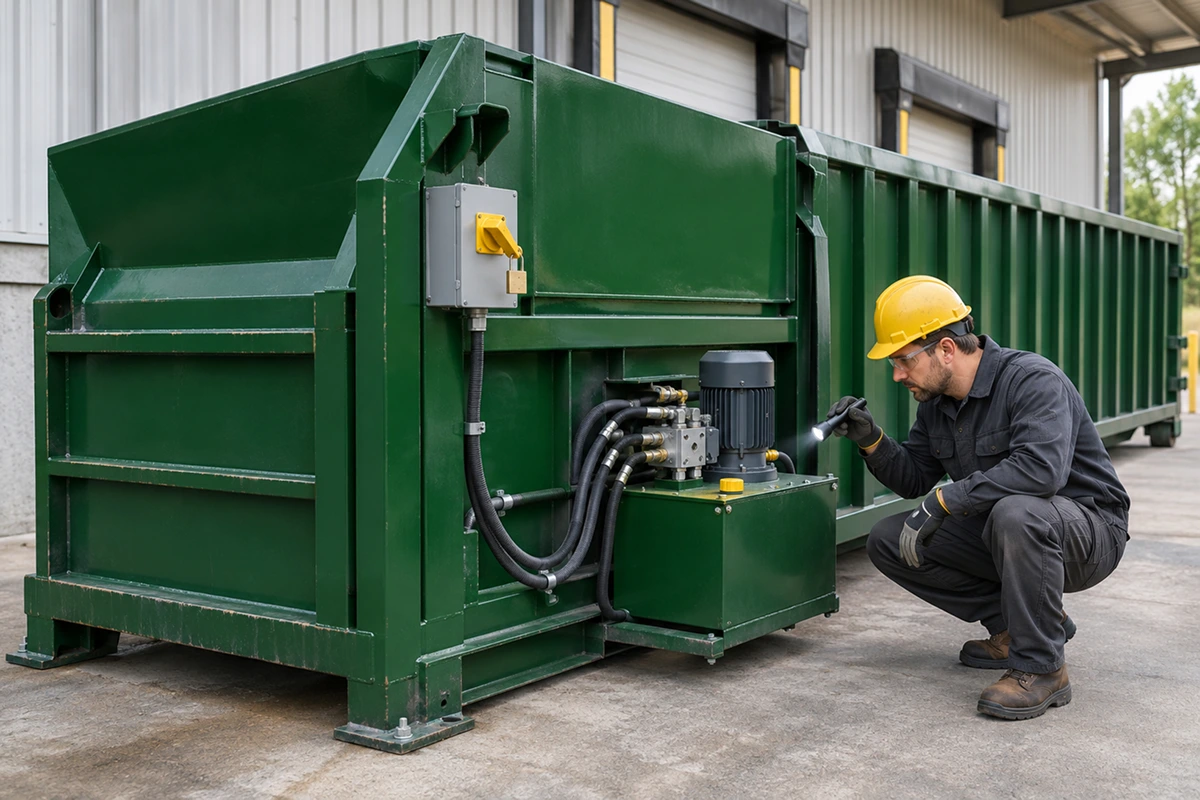
When your warehouse is busy, the waste compactor can be easy to overlook. It handles the day’s waste, helps keep the loading area clear, and gives your team one less thing to worry about. Until it starts taking longer to cycle, or stops working altogether.
A compactor breakdown can create problems beyond the machine itself. Waste backs up, employees spend time working around the disruption, and an already-full schedule gets harder to manage.
The good news? Regular maintenance and attention to early warning signs can help prevent those interruptions. Knowing when to schedule service gives warehouse and distribution managers more control over equipment costs and downtime.
How Often Should a Waste Compactor Be Serviced?
Waste compactors need maintenance on an ongoing schedule, with the timing based on the manufacturer’s recommendations, equipment type, and how heavily the machine is used. A compactor running across multiple shifts may need more frequent attention than one used only occasionally.
There is also a difference between routine operator checks and professional servicing. Manufacturer schedules can include daily visual checks, monthly maintenance tasks, and more involved inspections or component service at longer intervals. For example, Marathon’s M-Series maintenance schedule includes monthly hose and structural checks, along with additional tasks at three- and six-month intervals. Those intervals apply to that equipment, rather than every compactor.
DMH Companies offers preventive maintenance plans tailored to equipment type and usage volume. A plan built around your facility’s workload helps keep required service from slipping through the cracks, especially when seasonal volume increases.
What Are Signs a Compactor Needs Repair?
A machine does not have to stop completely to need attention. Changes in its normal performance are often the first indication that something is wrong.
Slower or Inconsistent Operation
A compactor that hesitates, moves unevenly, or struggles to complete a cycle deserves a closer look. Hydraulic or electrical problems can affect performance, and repeated interruptions can quickly become a bottleneck for your team.
New or Unusual Noises
An unfamiliar grinding, knocking, or loud whining sound is a reason to request service. Unusual pump noise can point to problems within the hydraulic system. A technician can identify the cause before continued operation leads to further damage.
Hydraulic Leaks or Damaged Hoses
Visible oil around the equipment, leaking connections, or hoses that appear worn or damaged should be reported promptly. Hydraulic leaks can affect operation and create hazards around the machine. Diagnosing and repairing them belongs with qualified service personnel.
Repeated Shutdowns or Control Problems
Frequent overload trips, unexpected stops, or unreliable controls should not become part of the daily routine. Repeatedly restarting the machine may leave the underlying problem unresolved. Excessive heat or a burning smell also calls for prompt attention.
Visible Structural Damage
Cracked welds, bent components, or other structural deterioration warrant professional evaluation. If a guard, interlock, or emergency stop is damaged or not working properly, the equipment needs to be taken out of service until the problem is corrected.
For suspected unsafe conditions, stop using the compactor and follow your facility’s reporting and lockout/tagout procedures. Internal inspections, jam clearing, and repairs should be handled by trained, authorized personnel following the manufacturer’s instructions.
Why Preventive Maintenance Is Worth Scheduling
Waiting for a breakdown can mean paying for more than a repair. There may also be extra waste handling, employee time diverted from other work, and disruption around the loading dock.
Preventive maintenance creates an opportunity to identify wear and address developing problems during a planned visit. Depending on the equipment and service requirements, that may include inspections, lubrication, adjustments, and hydraulic system maintenance. It can also help extend equipment life and make maintenance spending easier to anticipate.
November is a practical time to review service records and any changes operators have noticed. For facilities approaching a busy year-end period, that review can help identify maintenance needs before waste volume increases.
Who Services Compactors in Milwaukee or Omaha?
DMH Companies provides on-site waste compactor service and repair in Milwaukee, Omaha, and communities throughout the Upper Midwest. Its technicians work on hydraulic, electrical, and mechanical systems, with preventive maintenance programs and repair support for commercial and industrial facilities.
Whether your compactor is showing warning signs or simply due for its next service, DMH can help establish a maintenance plan that fits your equipment and operation.
Give your team one less unexpected interruption to manage.
Schedule a maintenance visit today.